Still growing.New universities and courses are added most weekdays (not weekends), each checked against the university's own page before it goes live — worth checking back. Sources last read 13 Sept 2026. How we verify →

StudyPath
QS #184Cape Town, South Africa· QS World University Rankings 2027

University of Cape Town

University of Cape Town, in Cape Town, South Africa, has 17 undergraduate courses listed on StudyPath. International tuition runs from ZAR 62,340 to ZAR 113,510 a year depending on the course. UCT publishes its own accommodation prices, from ZAR 39,400 per year. 13 of the 17 publish an application deadline. 1 named scholarship is recorded against these courses. Every figure above was read from UCT's own published pages and last checked on 20 August 2026.

Courses
17
Fees verified
17 / 17
Scholarship entries
3
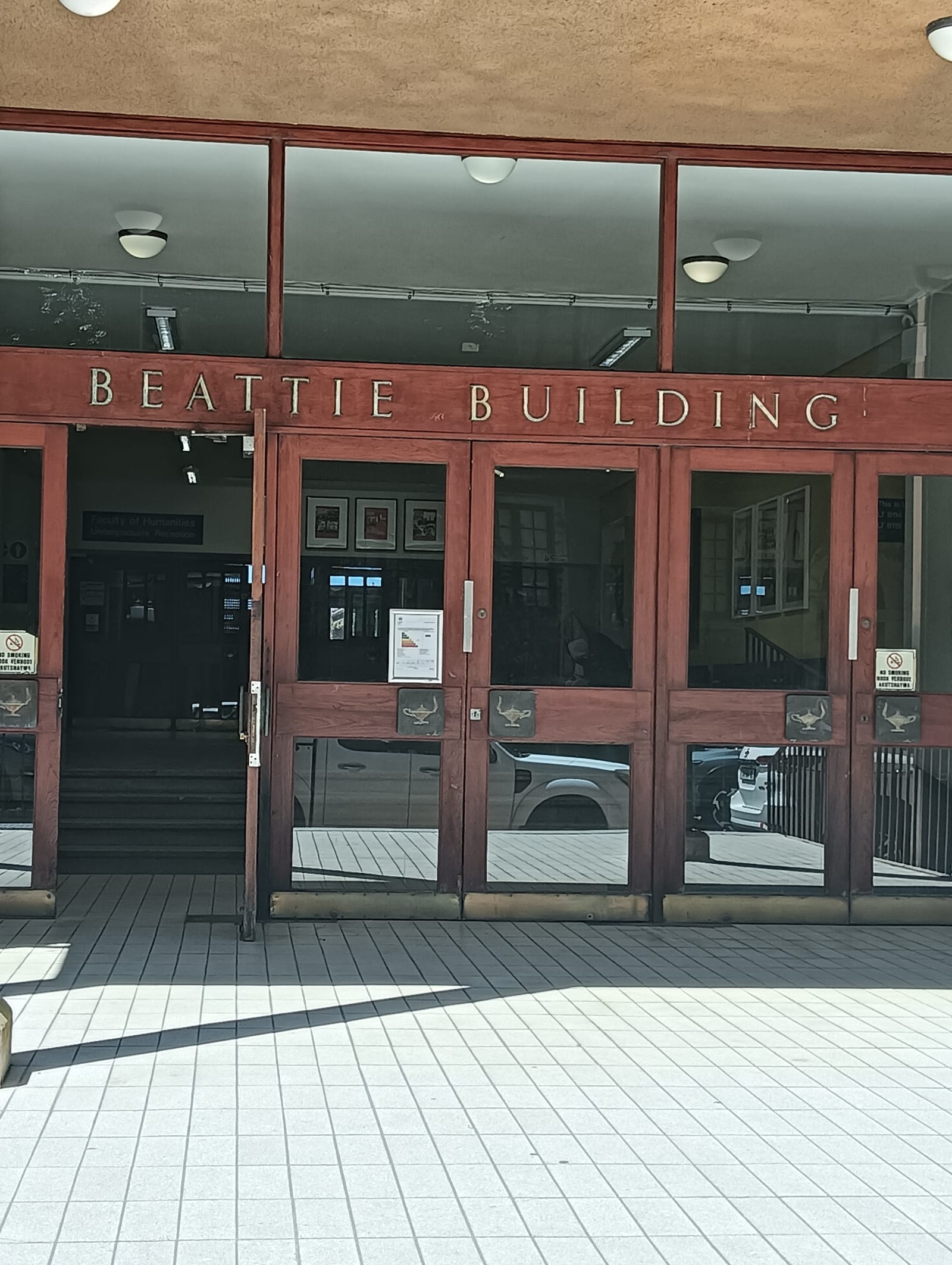
Bettie Building at the University of Cape Town Verified
Bettie Building at the University of Cape Town · Photo: GogontsiCC0
Applies everywhere on the site, on this device — change it any time.
Not set — every fee below is the international rate. Home and EU/EEA rates are often far lower.

courses

13 of 17

BSc · 3 years · Computer Science

International tuition

ZAR 87,000 per year

~ZAR 261,000 for the whole 3 years, at today's fee
Verified

2026 · Faculty-wide rate · All students — no separate international rate

UCT operates a course-based fee structure: this ZAR 87,000 (2026) figure is the Faculty of Science's typical 1st-year Bachelor of Science course fee, and it is the SAME rate South African and international students both pay for their courses -- UCT does not price courses differently by nationality. It is NOT the full amount an international student pays. On top of this course fee, international students also pay a yearly International Term Fee and a yearly International Administrative Fee (see the note below for the full amount an international student actually pays). 2nd- and 3rd-year course fees for the regular BSc curriculum are slightly lower, ZAR 86,000 each.

Show the fee on the university's site

UCT never publishes a single combined 'international tuition' figure; a first-year international student has to add three separately-published components from the 2026 Student Fees Handbook: the BSc course fee of ZAR 87,000 (Section 11.7, the same fee South African students pay), plus a yearly International Term Fee of ZAR 80,400 for students from outside Africa or ZAR 60,300 for non-SADC African students (Section 5.4.3), plus a non-refundable International Administrative Fee of ZAR 5,600 per year of registration (Section 5.4.2). That works out to a first-year total of ZAR 173,000 for a student from outside Africa, or ZAR 152,900 for a non-SADC African student. The BSc course fee drops slightly to ZAR 86,000 in the 2nd and 3rd years, so the same two international add-ons would be layered onto that lower figure in later years.

Show the source
Intake
February 2027 (UCT's academic year begins in February; the archived 2026 Fees Handbook records 06 February 2026 as the first-payment/registration date for the 2026 intake, and UCT's application-procedure page confirms 2027 as the next undergraduate intake year, so a February 2027 start is expected on the same annual pattern.)
Source
Taught in
English
Source
Application deadline
31 July 2026, for entry to the 2027 academic year (application window opened 1 April 2026). UCT states it will not consider undergraduate applications received after this date.
Source

Add to calendar

What you'll study

Not yet added.

Entry requirementsEnglish · tests · grades

English language

  • TOEFL iBT, 88 overall, at least 19 in Listening, 19 in Writing, 20 in Reading and 22 in SpeakingScore report must be no more than 2 years old.
  • IELTS Academic, 6.5 overall, at least 6.0 in each componentScore report must be no more than 2 years old.
  • Pearson PTE Academic, 67 overall, at least 59 in each communicative skills componentScore report must be no more than 2 years old.
  • NBT Academic Literacy PlusOverall score in the Intermediate Upper range or above; report must be no more than 3 years old. This is an alternate proficiency pathway, not the general NBT admissions requirement covered under admissionsTests.
Source

Admissions tests

  • NBT requiredUCT's Science Faculty admissions document states this for 'all applicants to the Science Faculty' with no residency carve-out. By contrast, UCT's Faculty of Engineering & the Built Environment scopes the identical NBT requirement to applicants 'who are a resident or at school in South Africa' -- so an applicant schooled entirely outside South Africa should confirm directly with UCT whether this Science-specific wording still applies to them. Either way, NBT results are NOT used in the admission decision -- only to identify which first-year students should move onto the four-year Extended Degree Programme after registration.
Source

Academic offer

International (non-NSC) applicants need the equivalent of matriculation exemption from the South African Higher Education (Matriculation) Board, plus: English at C at IGCSE level (A-level/AS-level route) or grade 5 at standard level (IB); Mathematics at grade B (A-level/AS-level) or grade 5 higher level/grade 6 standard level for IB (Maths Analysis); and Physical Science, Chemistry or Physics at grade C (A-level/AS-level) or grade 5 HL/grade 6 SL (IB). For the Computer Science major specifically, this third science subject may instead be Computer Science, where the applicant did not take Physical Science. Applicants must also reach a Faculty Points Score of at least 34, calculated from their five best subjects. Meeting these minimums does not guarantee admission, which is limited by available capacity.
Source
Convert your grade to compare →

BSc · 3 years · Data Science & AI, Statistics

International tuition

ZAR 87,000 per year

~ZAR 261,000 for the whole 3 years, at today's fee
Verified

2026 · Faculty-wide rate · All students — no separate international rate

UCT operates a course-based fee structure: this ZAR 87,000 (2026) figure is the Faculty of Science's typical 1st-year Bachelor of Science course fee, and it is the SAME rate South African and international students both pay for their courses -- UCT does not price courses differently by nationality. It is NOT the full amount an international student pays. On top of this course fee, international students also pay a yearly International Term Fee and a yearly International Administrative Fee (see the note below for the full amount an international student actually pays). 2nd- and 3rd-year course fees for the regular BSc curriculum are slightly lower, ZAR 86,000 each.

Show the fee on the university's site

UCT never publishes a single combined 'international tuition' figure; a first-year international student has to add three separately-published components from the 2026 Student Fees Handbook: the BSc course fee of ZAR 87,000 (Section 11.7, the same fee South African students pay), plus a yearly International Term Fee of ZAR 80,400 for students from outside Africa or ZAR 60,300 for non-SADC African students (Section 5.4.3), plus a non-refundable International Administrative Fee of ZAR 5,600 per year of registration (Section 5.4.2). That works out to a first-year total of ZAR 173,000 for a student from outside Africa, or ZAR 152,900 for a non-SADC African student. The BSc course fee drops slightly to ZAR 86,000 in the 2nd and 3rd years, so the same two international add-ons would be layered onto that lower figure in later years.

Show the source
Intake
February 2027 (UCT's academic year begins in February; the archived 2026 Fees Handbook records 06 February 2026 as the first-payment/registration date for the 2026 intake, and UCT's application-procedure page confirms 2027 as the next undergraduate intake year, so a February 2027 start is expected on the same annual pattern.)
Source
Taught in
English
Source
Application deadline
31 July 2026, for entry to the 2027 academic year (application window opened 1 April 2026). UCT states it will not consider undergraduate applications received after this date.
Source

Add to calendar

What you'll study

Not yet added.

Entry requirementsEnglish · tests · grades

English language

  • TOEFL iBT, 88 overall, at least 19 in Listening, 19 in Writing, 20 in Reading and 22 in SpeakingScore report must be no more than 2 years old.
  • IELTS Academic, 6.5 overall, at least 6.0 in each componentScore report must be no more than 2 years old.
  • Pearson PTE Academic, 67 overall, at least 59 in each communicative skills componentScore report must be no more than 2 years old.
  • NBT Academic Literacy PlusOverall score in the Intermediate Upper range or above; report must be no more than 3 years old. This is an alternate proficiency pathway, not the general NBT admissions requirement covered under admissionsTests.
Source

Admissions tests

  • NBT requiredUCT's Science Faculty admissions document states this for 'all applicants to the Science Faculty' with no residency carve-out. By contrast, UCT's Faculty of Engineering & the Built Environment scopes the identical NBT requirement to applicants 'who are a resident or at school in South Africa' -- so an applicant schooled entirely outside South Africa should confirm directly with UCT whether this Science-specific wording still applies to them. Either way, NBT results are NOT used in the admission decision -- only to identify which first-year students should move onto the four-year Extended Degree Programme after registration.
Source

Academic offer

International (non-NSC) applicants need the equivalent of matriculation exemption from the South African Higher Education (Matriculation) Board, plus: English at C at IGCSE level (A-level/AS-level route) or grade 5 at standard level (IB); Mathematics at grade B (A-level/AS-level) or grade 5 higher level/grade 6 standard level for IB (Maths Analysis); and Physical Science, Chemistry or Physics at grade C (A-level/AS-level) or grade 5 HL/grade 6 SL (IB) -- Physics is specifically required (not just any of the three) for the Statistics & Data Science major. Applicants must also reach a Faculty Points Score of at least 34, calculated from their five best subjects. Meeting these minimums does not guarantee admission, which is limited by available capacity.
Source
Convert your grade to compare →

BSc · 3 years · Mathematics

International tuition

ZAR 87,000 per year

~ZAR 261,000 for the whole 3 years, at today's fee
Verified

2026 · Faculty-wide rate · All students — no separate international rate

UCT operates a course-based fee structure: this ZAR 87,000 (2026) figure is the Faculty of Science's typical 1st-year Bachelor of Science course fee, and it is the SAME rate South African and international students both pay for their courses -- UCT does not price courses differently by nationality. It is NOT the full amount an international student pays. On top of this course fee, international students also pay a yearly International Term Fee and a yearly International Administrative Fee (see the note below for the full amount an international student actually pays). 2nd- and 3rd-year course fees for the regular BSc curriculum are slightly lower, ZAR 86,000 each.

Show the fee on the university's site

UCT never publishes a single combined 'international tuition' figure; a first-year international student has to add three separately-published components from the 2026 Student Fees Handbook: the BSc course fee of ZAR 87,000 (Section 11.7, the same fee South African students pay), plus a yearly International Term Fee of ZAR 80,400 for students from outside Africa or ZAR 60,300 for non-SADC African students (Section 5.4.3), plus a non-refundable International Administrative Fee of ZAR 5,600 per year of registration (Section 5.4.2). That works out to a first-year total of ZAR 173,000 for a student from outside Africa, or ZAR 152,900 for a non-SADC African student. The BSc course fee drops slightly to ZAR 86,000 in the 2nd and 3rd years, so the same two international add-ons would be layered onto that lower figure in later years.

Show the source
Intake
February 2027 (UCT's academic year begins in February; the archived 2026 Fees Handbook records 06 February 2026 as the first-payment/registration date for the 2026 intake, and UCT's application-procedure page confirms 2027 as the next undergraduate intake year, so a February 2027 start is expected on the same annual pattern.)
Source
Taught in
English
Source
Application deadline
31 July 2026, for entry to the 2027 academic year (application window opened 1 April 2026). UCT states it will not consider undergraduate applications received after this date.
Source

Add to calendar

What you'll study

Not yet added.

Entry requirementsEnglish · tests · grades

English language

  • TOEFL iBT, 88 overall, at least 19 in Listening, 19 in Writing, 20 in Reading and 22 in SpeakingScore report must be no more than 2 years old.
  • IELTS Academic, 6.5 overall, at least 6.0 in each componentScore report must be no more than 2 years old.
  • Pearson PTE Academic, 67 overall, at least 59 in each communicative skills componentScore report must be no more than 2 years old.
  • NBT Academic Literacy PlusOverall score in the Intermediate Upper range or above; report must be no more than 3 years old. This is an alternate proficiency pathway, not the general NBT admissions requirement covered under admissionsTests.
Source

Admissions tests

  • NBT requiredUCT's Science Faculty admissions document states this for 'all applicants to the Science Faculty' with no residency carve-out. By contrast, UCT's Faculty of Engineering & the Built Environment scopes the identical NBT requirement to applicants 'who are a resident or at school in South Africa' -- so an applicant schooled entirely outside South Africa should confirm directly with UCT whether this Science-specific wording still applies to them. Either way, NBT results are NOT used in the admission decision -- only to identify which first-year students should move onto the four-year Extended Degree Programme after registration.
Source

Academic offer

International (non-NSC) applicants need the equivalent of matriculation exemption from the South African Higher Education (Matriculation) Board, plus: English at C at IGCSE level (A-level/AS-level route) or grade 5 at standard level (IB); Mathematics at grade B (A-level/AS-level) or grade 5 higher level/grade 6 standard level for IB (Maths Analysis); and Physical Science, Chemistry or Physics at grade C (A-level/AS-level) or grade 5 HL/grade 6 SL (IB) -- Physics is specifically required (not just any of the three) for the Applied Mathematics major. Applicants must also reach a Faculty Points Score of at least 34, calculated from their five best subjects. Meeting these minimums does not guarantee admission, which is limited by available capacity.
Source
Convert your grade to compare →

BSc in Mathematics

BSc · 3 years · Mathematics

International tuition

ZAR 87,000 per year

~ZAR 261,000 for the whole 3 years, at today's fee
Verified

2026 · Faculty-wide rate · All students — no separate international rate

UCT operates a course-based fee structure: this ZAR 87,000 (2026) figure is the Faculty of Science's typical 1st-year Bachelor of Science course fee, and it is the SAME rate South African and international students both pay for their courses -- UCT does not price courses differently by nationality. It is NOT the full amount an international student pays. On top of this course fee, international students also pay a yearly International Term Fee and a yearly International Administrative Fee (see the note below for the full amount an international student actually pays). 2nd- and 3rd-year course fees for the regular BSc curriculum are slightly lower, ZAR 86,000 each.

Show the fee on the university's site

UCT never publishes a single combined 'international tuition' figure; a first-year international student has to add three separately-published components from the 2026 Student Fees Handbook: the BSc course fee of ZAR 87,000 (Section 11.7, the same fee South African students pay), plus a yearly International Term Fee of ZAR 80,400 for students from outside Africa or ZAR 60,300 for non-SADC African students (Section 5.4.3), plus a non-refundable International Administrative Fee of ZAR 5,600 per year of registration (Section 5.4.2). That works out to a first-year total of ZAR 173,000 for a student from outside Africa, or ZAR 152,900 for a non-SADC African student. The BSc course fee drops slightly to ZAR 86,000 in the 2nd and 3rd years, so the same two international add-ons would be layered onto that lower figure in later years.

Show the source
Intake
February 2027 (UCT's academic year begins in February; the archived 2026 Fees Handbook records 06 February 2026 as the first-payment/registration date for the 2026 intake, and UCT's application-procedure page confirms 2027 as the next undergraduate intake year, so a February 2027 start is expected on the same annual pattern.)
Source
Taught in
English
Source
Application deadline
31 July 2026, for entry to the 2027 academic year (application window opened 1 April 2026). UCT states it will not consider undergraduate applications received after this date.
Source

Add to calendar

What you'll study

Not yet added.

Entry requirementsEnglish · tests · grades

English language

  • TOEFL iBT, 88 overall, at least 19 in Listening, 19 in Writing, 20 in Reading and 22 in SpeakingScore report must be no more than 2 years old.
  • IELTS Academic, 6.5 overall, at least 6.0 in each componentScore report must be no more than 2 years old.
  • Pearson PTE Academic, 67 overall, at least 59 in each communicative skills componentScore report must be no more than 2 years old.
  • NBT Academic Literacy PlusOverall score in the Intermediate Upper range or above; report must be no more than 3 years old. This is an alternate proficiency pathway, not the general NBT admissions requirement covered under admissionsTests.
Source

Admissions tests

  • NBT requiredUCT's Science Faculty admissions document states this for 'all applicants to the Science Faculty' with no residency carve-out. By contrast, UCT's Faculty of Engineering & the Built Environment scopes the identical NBT requirement to applicants 'who are a resident or at school in South Africa' -- so an applicant schooled entirely outside South Africa should confirm directly with UCT whether this Science-specific wording still applies to them. Either way, NBT results are NOT used in the admission decision -- only to identify which first-year students should move onto the four-year Extended Degree Programme after registration.
Source

Academic offer

International (non-NSC) applicants need the equivalent of matriculation exemption from the South African Higher Education (Matriculation) Board, plus: English at C at IGCSE level (A-level/AS-level route) or grade 5 at standard level (IB); Mathematics at grade B (A-level/AS-level) or grade 5 higher level/grade 6 standard level for IB (Maths Analysis); and Physical Science, Chemistry or Physics at grade C (A-level/AS-level) or grade 5 HL/grade 6 SL (IB) -- Physics is specifically required (not just any of the three) for the Mathematics major. Applicants must also reach a Faculty Points Score of at least 34, calculated from their five best subjects. Meeting these minimums does not guarantee admission, which is limited by available capacity.
Source
Convert your grade to compare →

BSc in Physics

BSc · 3 years · Physics

International tuition

ZAR 87,000 per year

~ZAR 261,000 for the whole 3 years, at today's fee
Verified

2026 · Faculty-wide rate · All students — no separate international rate

UCT operates a course-based fee structure: this ZAR 87,000 (2026) figure is the Faculty of Science's typical 1st-year Bachelor of Science course fee, and it is the SAME rate South African and international students both pay for their courses -- UCT does not price courses differently by nationality. It is NOT the full amount an international student pays. On top of this course fee, international students also pay a yearly International Term Fee and a yearly International Administrative Fee (see the note below for the full amount an international student actually pays). 2nd- and 3rd-year course fees for the regular BSc curriculum are slightly lower, ZAR 86,000 each.

Show the fee on the university's site

UCT never publishes a single combined 'international tuition' figure; a first-year international student has to add three separately-published components from the 2026 Student Fees Handbook: the BSc course fee of ZAR 87,000 (Section 11.7, the same fee South African students pay), plus a yearly International Term Fee of ZAR 80,400 for students from outside Africa or ZAR 60,300 for non-SADC African students (Section 5.4.3), plus a non-refundable International Administrative Fee of ZAR 5,600 per year of registration (Section 5.4.2). That works out to a first-year total of ZAR 173,000 for a student from outside Africa, or ZAR 152,900 for a non-SADC African student. The BSc course fee drops slightly to ZAR 86,000 in the 2nd and 3rd years, so the same two international add-ons would be layered onto that lower figure in later years.

Show the source
Intake
February 2027 (UCT's academic year begins in February; the archived 2026 Fees Handbook records 06 February 2026 as the first-payment/registration date for the 2026 intake, and UCT's application-procedure page confirms 2027 as the next undergraduate intake year, so a February 2027 start is expected on the same annual pattern.)
Source
Taught in
English
Source
Application deadline
31 July 2026, for entry to the 2027 academic year (application window opened 1 April 2026). UCT states it will not consider undergraduate applications received after this date.
Source

Add to calendar

What you'll study

Not yet added.

Entry requirementsEnglish · tests · grades

English language

  • TOEFL iBT, 88 overall, at least 19 in Listening, 19 in Writing, 20 in Reading and 22 in SpeakingScore report must be no more than 2 years old.
  • IELTS Academic, 6.5 overall, at least 6.0 in each componentScore report must be no more than 2 years old.
  • Pearson PTE Academic, 67 overall, at least 59 in each communicative skills componentScore report must be no more than 2 years old.
  • NBT Academic Literacy PlusOverall score in the Intermediate Upper range or above; report must be no more than 3 years old. This is an alternate proficiency pathway, not the general NBT admissions requirement covered under admissionsTests.
Source

Admissions tests

  • NBT requiredUCT's Science Faculty admissions document states this for 'all applicants to the Science Faculty' with no residency carve-out. By contrast, UCT's Faculty of Engineering & the Built Environment scopes the identical NBT requirement to applicants 'who are a resident or at school in South Africa' -- so an applicant schooled entirely outside South Africa should confirm directly with UCT whether this Science-specific wording still applies to them. Either way, NBT results are NOT used in the admission decision -- only to identify which first-year students should move onto the four-year Extended Degree Programme after registration.
Source

Academic offer

International (non-NSC) applicants need the equivalent of matriculation exemption from the South African Higher Education (Matriculation) Board, plus: English at C at IGCSE level (A-level/AS-level route) or grade 5 at standard level (IB); Mathematics at grade B (A-level/AS-level) or grade 5 higher level/grade 6 standard level for IB (Maths Analysis); and Physical Science, Chemistry or Physics at grade C (A-level/AS-level) or grade 5 HL/grade 6 SL (IB) -- Physics is specifically required (not just any of the three) for the Physics major. Applicants must also reach a Faculty Points Score of at least 34, calculated from their five best subjects. Meeting these minimums does not guarantee admission, which is limited by available capacity.
Source
Convert your grade to compare →

BSc in Chemistry

BSc · 3 years · Chemistry

International tuition

ZAR 87,000 per year

~ZAR 261,000 for the whole 3 years, at today's fee
Verified

2026 · Faculty-wide rate · All students — no separate international rate

UCT operates a course-based fee structure: this ZAR 87,000 (2026) figure is the Faculty of Science's typical 1st-year Bachelor of Science course fee, and it is the SAME rate South African and international students both pay for their courses -- UCT does not price courses differently by nationality. It is NOT the full amount an international student pays. On top of this course fee, international students also pay a yearly International Term Fee and a yearly International Administrative Fee (see the note below for the full amount an international student actually pays). 2nd- and 3rd-year course fees for the regular BSc curriculum are slightly lower, ZAR 86,000 each.

Show the fee on the university's site

UCT never publishes a single combined 'international tuition' figure; a first-year international student has to add three separately-published components from the 2026 Student Fees Handbook: the BSc course fee of ZAR 87,000 (Section 11.7, the same fee South African students pay), plus a yearly International Term Fee of ZAR 80,400 for students from outside Africa or ZAR 60,300 for non-SADC African students (Section 5.4.3), plus a non-refundable International Administrative Fee of ZAR 5,600 per year of registration (Section 5.4.2). That works out to a first-year total of ZAR 173,000 for a student from outside Africa, or ZAR 152,900 for a non-SADC African student. The BSc course fee drops slightly to ZAR 86,000 in the 2nd and 3rd years, so the same two international add-ons would be layered onto that lower figure in later years.

Show the source
Intake
February 2027 (UCT's academic year begins in February; the archived 2026 Fees Handbook records 06 February 2026 as the first-payment/registration date for the 2026 intake, and UCT's application-procedure page confirms 2027 as the next undergraduate intake year, so a February 2027 start is expected on the same annual pattern.)
Source
Taught in
English
Source
Application deadline
31 July 2026, for entry to the 2027 academic year (application window opened 1 April 2026). UCT states it will not consider undergraduate applications received after this date.
Source

Add to calendar

What you'll study

Not yet added.

Entry requirementsEnglish · tests · grades

English language

  • TOEFL iBT, 88 overall, at least 19 in Listening, 19 in Writing, 20 in Reading and 22 in SpeakingScore report must be no more than 2 years old.
  • IELTS Academic, 6.5 overall, at least 6.0 in each componentScore report must be no more than 2 years old.
  • Pearson PTE Academic, 67 overall, at least 59 in each communicative skills componentScore report must be no more than 2 years old.
  • NBT Academic Literacy PlusOverall score in the Intermediate Upper range or above; report must be no more than 3 years old. This is an alternate proficiency pathway, not the general NBT admissions requirement covered under admissionsTests.
Source

Admissions tests

  • NBT requiredUCT's Science Faculty admissions document states this for 'all applicants to the Science Faculty' with no residency carve-out. By contrast, UCT's Faculty of Engineering & the Built Environment scopes the identical NBT requirement to applicants 'who are a resident or at school in South Africa' -- so an applicant schooled entirely outside South Africa should confirm directly with UCT whether this Science-specific wording still applies to them. Either way, NBT results are NOT used in the admission decision -- only to identify which first-year students should move onto the four-year Extended Degree Programme after registration.
Source

Academic offer

International (non-NSC) applicants need the equivalent of matriculation exemption from the South African Higher Education (Matriculation) Board, plus: English at C at IGCSE level (A-level/AS-level route) or grade 5 at standard level (IB); Mathematics at grade B (A-level/AS-level) or grade 5 higher level/grade 6 standard level for IB (Maths Analysis); and Physical Science, Chemistry or Physics at grade C (A-level/AS-level) or grade 5 HL/grade 6 SL (IB) -- Physics is specifically the required science subject listed for the Chemistry major on UCT's subject-requirement table. Applicants must also reach a Faculty Points Score of at least 34, calculated from their five best subjects. Meeting these minimums does not guarantee admission, which is limited by available capacity.
Source
Convert your grade to compare →

BSc in Biochemistry

BSc · 3 years · Biochemistry

International tuition

ZAR 87,000 per year

~ZAR 261,000 for the whole 3 years, at today's fee
Verified

2026 · Faculty-wide rate · All students — no separate international rate

UCT operates a course-based fee structure: this ZAR 87,000 (2026) figure is the Faculty of Science's typical 1st-year Bachelor of Science course fee, and it is the SAME rate South African and international students both pay for their courses -- UCT does not price courses differently by nationality. It is NOT the full amount an international student pays. On top of this course fee, international students also pay a yearly International Term Fee and a yearly International Administrative Fee (see the note below for the full amount an international student actually pays). 2nd- and 3rd-year course fees for the regular BSc curriculum are slightly lower, ZAR 86,000 each.

Show the fee on the university's site

UCT never publishes a single combined 'international tuition' figure; a first-year international student has to add three separately-published components from the 2026 Student Fees Handbook: the BSc course fee of ZAR 87,000 (Section 11.7, the same fee South African students pay), plus a yearly International Term Fee of ZAR 80,400 for students from outside Africa or ZAR 60,300 for non-SADC African students (Section 5.4.3), plus a non-refundable International Administrative Fee of ZAR 5,600 per year of registration (Section 5.4.2). That works out to a first-year total of ZAR 173,000 for a student from outside Africa, or ZAR 152,900 for a non-SADC African student. The BSc course fee drops slightly to ZAR 86,000 in the 2nd and 3rd years, so the same two international add-ons would be layered onto that lower figure in later years.

Show the source
Intake
February 2027 (UCT's academic year begins in February; the archived 2026 Fees Handbook records 06 February 2026 as the first-payment/registration date for the 2026 intake, and UCT's application-procedure page confirms 2027 as the next undergraduate intake year, so a February 2027 start is expected on the same annual pattern.)
Source
Taught in
English
Source
Application deadline
31 July 2026, for entry to the 2027 academic year (application window opened 1 April 2026). UCT states it will not consider undergraduate applications received after this date.
Source

Add to calendar

What you'll study

Not yet added.

Entry requirementsEnglish · tests · grades

English language

  • TOEFL iBT, 88 overall, at least 19 in Listening, 19 in Writing, 20 in Reading and 22 in SpeakingScore report must be no more than 2 years old.
  • IELTS Academic, 6.5 overall, at least 6.0 in each componentScore report must be no more than 2 years old.
  • Pearson PTE Academic, 67 overall, at least 59 in each communicative skills componentScore report must be no more than 2 years old.
  • NBT Academic Literacy PlusOverall score in the Intermediate Upper range or above; report must be no more than 3 years old. This is an alternate proficiency pathway, not the general NBT admissions requirement covered under admissionsTests.
Source

Admissions tests

  • NBT requiredUCT's Science Faculty admissions document states this for 'all applicants to the Science Faculty' with no residency carve-out. By contrast, UCT's Faculty of Engineering & the Built Environment scopes the identical NBT requirement to applicants 'who are a resident or at school in South Africa' -- so an applicant schooled entirely outside South Africa should confirm directly with UCT whether this Science-specific wording still applies to them. Either way, NBT results are NOT used in the admission decision -- only to identify which first-year students should move onto the four-year Extended Degree Programme after registration.
Source

Academic offer

International (non-NSC) applicants need the equivalent of matriculation exemption from the South African Higher Education (Matriculation) Board, plus: English at C at IGCSE level (A-level/AS-level route) or grade 5 at standard level (IB); Mathematics at grade B (A-level/AS-level) or grade 5 higher level/grade 6 standard level for IB (Maths Analysis); and Physical Science, Chemistry or Physics at grade C (A-level/AS-level) or grade 5 HL/grade 6 SL (IB) -- Chemistry is specifically required (not just any of the three) for the Biochemistry major. Applicants must also reach a Faculty Points Score of at least 34, calculated from their five best subjects. Meeting these minimums does not guarantee admission, which is limited by available capacity.
Source
Convert your grade to compare →

BSc in Genetics

BSc · 3 years · Biology & Life Sciences, Genetics

International tuition

ZAR 87,000 per year

~ZAR 261,000 for the whole 3 years, at today's fee
Verified

2026 · Faculty-wide rate · All students — no separate international rate

UCT operates a course-based fee structure: this ZAR 87,000 (2026) figure is the Faculty of Science's typical 1st-year Bachelor of Science course fee, and it is the SAME rate South African and international students both pay for their courses -- UCT does not price courses differently by nationality. It is NOT the full amount an international student pays. On top of this course fee, international students also pay a yearly International Term Fee and a yearly International Administrative Fee (see the note below for the full amount an international student actually pays). 2nd- and 3rd-year course fees for the regular BSc curriculum are slightly lower, ZAR 86,000 each.

Show the fee on the university's site

UCT never publishes a single combined 'international tuition' figure; a first-year international student has to add three separately-published components from the 2026 Student Fees Handbook: the BSc course fee of ZAR 87,000 (Section 11.7, the same fee South African students pay), plus a yearly International Term Fee of ZAR 80,400 for students from outside Africa or ZAR 60,300 for non-SADC African students (Section 5.4.3), plus a non-refundable International Administrative Fee of ZAR 5,600 per year of registration (Section 5.4.2). That works out to a first-year total of ZAR 173,000 for a student from outside Africa, or ZAR 152,900 for a non-SADC African student. The BSc course fee drops slightly to ZAR 86,000 in the 2nd and 3rd years, so the same two international add-ons would be layered onto that lower figure in later years.

Show the source
Intake
February 2027 (UCT's academic year begins in February; the archived 2026 Fees Handbook records 06 February 2026 as the first-payment/registration date for the 2026 intake, and UCT's application-procedure page confirms 2027 as the next undergraduate intake year, so a February 2027 start is expected on the same annual pattern.)
Source
Taught in
English
Source
Application deadline
31 July 2026, for entry to the 2027 academic year (application window opened 1 April 2026). UCT states it will not consider undergraduate applications received after this date.
Source

Add to calendar

What you'll study

Not yet added.

Entry requirementsEnglish · tests · grades

English language

  • TOEFL iBT, 88 overall, at least 19 in Listening, 19 in Writing, 20 in Reading and 22 in SpeakingScore report must be no more than 2 years old.
  • IELTS Academic, 6.5 overall, at least 6.0 in each componentScore report must be no more than 2 years old.
  • Pearson PTE Academic, 67 overall, at least 59 in each communicative skills componentScore report must be no more than 2 years old.
  • NBT Academic Literacy PlusOverall score in the Intermediate Upper range or above; report must be no more than 3 years old. This is an alternate proficiency pathway, not the general NBT admissions requirement covered under admissionsTests.
Source

Admissions tests

  • NBT requiredUCT's Science Faculty admissions document states this for 'all applicants to the Science Faculty' with no residency carve-out. By contrast, UCT's Faculty of Engineering & the Built Environment scopes the identical NBT requirement to applicants 'who are a resident or at school in South Africa' -- so an applicant schooled entirely outside South Africa should confirm directly with UCT whether this Science-specific wording still applies to them. Either way, NBT results are NOT used in the admission decision -- only to identify which first-year students should move onto the four-year Extended Degree Programme after registration.
Source

Academic offer

International (non-NSC) applicants need the equivalent of matriculation exemption from the South African Higher Education (Matriculation) Board, plus: English at C at IGCSE level (A-level/AS-level route) or grade 5 at standard level (IB); Mathematics at grade B (A-level/AS-level) or grade 5 higher level/grade 6 standard level for IB (Maths Analysis); and Physical Science, Chemistry or Physics at grade C (A-level/AS-level) or grade 5 HL/grade 6 SL (IB) -- Chemistry is specifically required (not just any of the three) for the Genetics major, which also has a limited number of places. Applicants must also reach a Faculty Points Score of at least 34, calculated from their five best subjects. Meeting these minimums does not guarantee admission, which is limited by available capacity.
Source
Convert your grade to compare →

BSc · 3 years · Biology & Life Sciences, Marine Biology

International tuition

ZAR 87,000 per year

~ZAR 261,000 for the whole 3 years, at today's fee
Verified

2026 · Faculty-wide rate · All students — no separate international rate

UCT operates a course-based fee structure: this ZAR 87,000 (2026) figure is the Faculty of Science's typical 1st-year Bachelor of Science course fee, and it is the SAME rate South African and international students both pay for their courses -- UCT does not price courses differently by nationality. It is NOT the full amount an international student pays. On top of this course fee, international students also pay a yearly International Term Fee and a yearly International Administrative Fee (see the note below for the full amount an international student actually pays). 2nd- and 3rd-year course fees for the regular BSc curriculum are slightly lower, ZAR 86,000 each.

Show the fee on the university's site

UCT never publishes a single combined 'international tuition' figure; a first-year international student has to add three separately-published components from the 2026 Student Fees Handbook: the BSc course fee of ZAR 87,000 (Section 11.7, the same fee South African students pay), plus a yearly International Term Fee of ZAR 80,400 for students from outside Africa or ZAR 60,300 for non-SADC African students (Section 5.4.3), plus a non-refundable International Administrative Fee of ZAR 5,600 per year of registration (Section 5.4.2). That works out to a first-year total of ZAR 173,000 for a student from outside Africa, or ZAR 152,900 for a non-SADC African student. The BSc course fee drops slightly to ZAR 86,000 in the 2nd and 3rd years, so the same two international add-ons would be layered onto that lower figure in later years.

Show the source
Intake
February 2027 (UCT's academic year begins in February; the archived 2026 Fees Handbook records 06 February 2026 as the first-payment/registration date for the 2026 intake, and UCT's application-procedure page confirms 2027 as the next undergraduate intake year, so a February 2027 start is expected on the same annual pattern.)
Source
Taught in
English
Source
Application deadline
31 July 2026, for entry to the 2027 academic year (application window opened 1 April 2026). UCT states it will not consider undergraduate applications received after this date.
Source

Add to calendar

What you'll study

Not yet added.

Entry requirementsEnglish · tests · grades

English language

  • TOEFL iBT, 88 overall, at least 19 in Listening, 19 in Writing, 20 in Reading and 22 in SpeakingScore report must be no more than 2 years old.
  • IELTS Academic, 6.5 overall, at least 6.0 in each componentScore report must be no more than 2 years old.
  • Pearson PTE Academic, 67 overall, at least 59 in each communicative skills componentScore report must be no more than 2 years old.
  • NBT Academic Literacy PlusOverall score in the Intermediate Upper range or above; report must be no more than 3 years old. This is an alternate proficiency pathway, not the general NBT admissions requirement covered under admissionsTests.
Source

Admissions tests

  • NBT requiredUCT's Science Faculty admissions document states this for 'all applicants to the Science Faculty' with no residency carve-out. By contrast, UCT's Faculty of Engineering & the Built Environment scopes the identical NBT requirement to applicants 'who are a resident or at school in South Africa' -- so an applicant schooled entirely outside South Africa should confirm directly with UCT whether this Science-specific wording still applies to them. Either way, NBT results are NOT used in the admission decision -- only to identify which first-year students should move onto the four-year Extended Degree Programme after registration.
Source

Academic offer

International (non-NSC) applicants need the equivalent of matriculation exemption from the South African Higher Education (Matriculation) Board, plus: English at C at IGCSE level (A-level/AS-level route) or grade 5 at standard level (IB); Mathematics at grade B (A-level/AS-level) or grade 5 higher level/grade 6 standard level for IB (Maths Analysis); and Physical Science, Chemistry or Physics at grade C (A-level/AS-level) or grade 5 HL/grade 6 SL (IB) -- Chemistry is specifically required (not just any of the three) for the Marine Biology major. Applicants must also reach a Faculty Points Score of at least 34, calculated from their five best subjects. Meeting these minimums does not guarantee admission, which is limited by available capacity.
Source
Convert your grade to compare →

BSc(Eng) · 4 years · Chemical Engineering

International tuition

ZAR 89,470 per year

~ZAR 357,900 for the whole 4 years, at today's fee
Verified

2026 · Priced for this course · All students — no separate international rate

UCT operates a course-based fee structure: this ZAR 89,470 (2026) figure is the 1st-year course fee for BSc(Eng) Chemical Engineering, and it is the SAME rate South African and international students both pay for their courses -- UCT does not price courses differently by nationality. It is NOT the full amount an international student pays. On top of this course fee, international students also pay a yearly International Term Fee and a yearly International Administrative Fee (see the note below for the full amount an international student actually pays). The course fee itself rises in later years: 2nd year ZAR 101,050, 3rd year ZAR 92,230, 4th year ZAR 100,980.

Show the fee on the university's site

UCT never publishes a single combined 'international tuition' figure; a first-year international student has to add three separately-published components from the 2026 Student Fees Handbook: the BSc(Eng) Chemical Engineering 1st-year course fee of ZAR 89,470 (Section 11.3, the same fee South African students pay), plus a yearly International Term Fee of ZAR 80,400 for students from outside Africa or ZAR 60,300 for non-SADC African students (Section 5.4.3), plus a non-refundable International Administrative Fee of ZAR 5,600 per year of registration (Section 5.4.2). That works out to a first-year total of ZAR 175,470 for a student from outside Africa, or ZAR 155,370 for a non-SADC African student.

Show the source
Intake
February 2027 (UCT's academic year begins in February; the archived 2026 Fees Handbook records 06 February 2026 as the first-payment/registration date for the 2026 intake, and UCT's application-procedure page confirms 2027 as the next undergraduate intake year, so a February 2027 start is expected on the same annual pattern.)
Source
Taught in
English
Source
Application deadline
31 July 2026, for entry to the 2027 academic year (application window opened 1 April 2026). UCT states it will not consider undergraduate applications received after this date.
Source

Add to calendar

What you'll study

Not yet added.

Scholarships1 available
  • EBE Faculty Entrance Scholarship

    R60,000 (South African Rand) per scholarship, awarded once at entry.

    Eligibility: Awarded to first-time entering undergraduate applicants to the Faculty of Engineering & the Built Environment, based on the applicant's final Faculty Points Score (FPS) -- no application needed, awards are made from admission-application data. Normally UCT Entrance Scholarships are restricted to South African citizens and permanent residents, but EBE is explicitly widened to also cover international applicants who write the South African National Senior Certificate (NSC); international applicants with other qualifications (e.g. A-Levels, IB) are not covered by this route, though a small dean's-discretion allocation exists faculty-wide for applicants holding international school-leaving qualifications. 60% of the award pool is used to encourage gender diversity.

    No specific minimum FPS number is published on UCT's general Entrance Scholarships page for EBE (unlike Commerce, Science and Law, which do publish numeric FPS cut-offs); awards are described as competitive and budget-limited rather than guaranteed to a stated threshold.

    Source
Entry requirementsEnglish · tests · grades

English language

  • TOEFL iBT, 88 overall, at least 19 in Listening, 19 in Writing, 20 in Reading and 22 in SpeakingScore report must be no more than 2 years old.
  • IELTS Academic, 6.5 overall, at least 6.0 in each componentScore report must be no more than 2 years old.
  • Pearson PTE Academic, 67 overall, at least 59 in each communicative skills componentScore report must be no more than 2 years old.
  • NBT Academic Literacy PlusOverall score in the Intermediate Upper range or above; report must be no more than 3 years old. This is an alternate proficiency pathway, not the general NBT admissions requirement covered under admissionsTests.
Source

Admissions tests

  • NBT optionalAs published, this requirement is scoped to applicants who are 'a resident or at school in South Africa' (including non-South African citizens living/schooling there) -- its wording does not extend to applicants resident and schooled entirely outside South Africa, so it is recorded as not required for them here. NBT results are in any case not used in the Faculty of Engineering & the Built Environment's admission decision, only for placement/orientation purposes.
Source

Academic offer

For the combined Chemical/Civil/Mechanical/Mechanical & Mechatronic Engineering admission group, international (non-NSC) applicants need, at A-level: at least C in IGCSE-level English, at least B in Mathematics at A-level, and either B in A-level Chemistry with at least B in IGCSE-level Physics, or B in A-level Physics with at least B in IGCSE-level Chemistry; at IB: a Full IB Diploma with a Grade 6 pass at standard level, or Grade 5 at higher level, in each of Mathematics, Physics and Chemistry (Mathematical Studies is not acceptable). UCT states these are minimum requirements only, do not guarantee admission, and non-South African qualifications are not converted to a points score for this faculty.
Source
Convert your grade to compare →

BSc(Eng) · 4 years · Civil Engineering

International tuition

ZAR 89,780 per year

~ZAR 359,100 for the whole 4 years, at today's fee
Verified

2026 · Priced for this course · All students — no separate international rate

UCT operates a course-based fee structure: this ZAR 89,780 (2026) figure is the 1st-year course fee for BSc(Eng) Civil Engineering, and it is the SAME rate South African and international students both pay for their courses -- UCT does not price courses differently by nationality. It is NOT the full amount an international student pays. On top of this course fee, international students also pay a yearly International Term Fee and a yearly International Administrative Fee (see the note below for the full amount an international student actually pays). The course fee itself changes in later years: 2nd year ZAR 81,280, 3rd year ZAR 87,980, 4th year ZAR 100,360.

Show the fee on the university's site

UCT never publishes a single combined 'international tuition' figure; a first-year international student has to add three separately-published components from the 2026 Student Fees Handbook: the BSc(Eng) Civil Engineering 1st-year course fee of ZAR 89,780 (Section 11.3, the same fee South African students pay), plus a yearly International Term Fee of ZAR 80,400 for students from outside Africa or ZAR 60,300 for non-SADC African students (Section 5.4.3), plus a non-refundable International Administrative Fee of ZAR 5,600 per year of registration (Section 5.4.2). That works out to a first-year total of ZAR 175,780 for a student from outside Africa, or ZAR 155,680 for a non-SADC African student.

Show the source
Intake
February 2027 (UCT's academic year begins in February; the archived 2026 Fees Handbook records 06 February 2026 as the first-payment/registration date for the 2026 intake, and UCT's application-procedure page confirms 2027 as the next undergraduate intake year, so a February 2027 start is expected on the same annual pattern.)
Source
Taught in
English
Source
Application deadline
31 July 2026, for entry to the 2027 academic year (application window opened 1 April 2026). UCT states it will not consider undergraduate applications received after this date.
Source

Add to calendar

What you'll study

Not yet added.

Scholarships1 available
  • EBE Faculty Entrance Scholarship

    R60,000 (South African Rand) per scholarship, awarded once at entry.

    Eligibility: Awarded to first-time entering undergraduate applicants to the Faculty of Engineering & the Built Environment, based on the applicant's final Faculty Points Score (FPS) -- no application needed, awards are made from admission-application data. Normally UCT Entrance Scholarships are restricted to South African citizens and permanent residents, but EBE is explicitly widened to also cover international applicants who write the South African National Senior Certificate (NSC); international applicants with other qualifications (e.g. A-Levels, IB) are not covered by this route, though a small dean's-discretion allocation exists faculty-wide for applicants holding international school-leaving qualifications. 60% of the award pool is used to encourage gender diversity.

    No specific minimum FPS number is published on UCT's general Entrance Scholarships page for EBE (unlike Commerce, Science and Law, which do publish numeric FPS cut-offs); awards are described as competitive and budget-limited rather than guaranteed to a stated threshold.

    Source
Entry requirementsEnglish · tests · grades

English language

  • TOEFL iBT, 88 overall, at least 19 in Listening, 19 in Writing, 20 in Reading and 22 in SpeakingScore report must be no more than 2 years old.
  • IELTS Academic, 6.5 overall, at least 6.0 in each componentScore report must be no more than 2 years old.
  • Pearson PTE Academic, 67 overall, at least 59 in each communicative skills componentScore report must be no more than 2 years old.
  • NBT Academic Literacy PlusOverall score in the Intermediate Upper range or above; report must be no more than 3 years old. This is an alternate proficiency pathway, not the general NBT admissions requirement covered under admissionsTests.
Source

Admissions tests

  • NBT optionalAs published, this requirement is scoped to applicants who are 'a resident or at school in South Africa' (including non-South African citizens living/schooling there) -- its wording does not extend to applicants resident and schooled entirely outside South Africa, so it is recorded as not required for them here. NBT results are in any case not used in the Faculty of Engineering & the Built Environment's admission decision, only for placement/orientation purposes.
Source

Academic offer

For the combined Chemical/Civil/Mechanical/Mechanical & Mechatronic Engineering admission group, international (non-NSC) applicants need, at A-level: at least C in IGCSE-level English, at least B in Mathematics at A-level, and either B in A-level Chemistry with at least B in IGCSE-level Physics, or B in A-level Physics with at least B in IGCSE-level Chemistry; at IB: a Full IB Diploma with a Grade 6 pass at standard level, or Grade 5 at higher level, in each of Mathematics, Physics and Chemistry (Mathematical Studies is not acceptable). UCT states these are minimum requirements only, do not guarantee admission, and non-South African qualifications are not converted to a points score for this faculty.
Source
Convert your grade to compare →

BSc(Eng) · 4 years · Electrical & Electronic Engineering

International tuition

ZAR 82,820 per year

~ZAR 331,300 for the whole 4 years, at today's fee
Verified

2026 · Priced for this course · All students — no separate international rate

UCT operates a course-based fee structure: this ZAR 82,820 (2026) figure is the 1st-year course fee for BSc(Eng) Electrical Engineering, and it is the SAME rate South African and international students both pay for their courses -- UCT does not price courses differently by nationality. It is NOT the full amount an international student pays. On top of this course fee, international students also pay a yearly International Term Fee and a yearly International Administrative Fee (see the note below for the full amount an international student actually pays). The course fee itself rises in later years: 2nd year ZAR 96,100, 3rd year ZAR 92,750, 4th year ZAR 84,310.

Show the fee on the university's site

UCT never publishes a single combined 'international tuition' figure; a first-year international student has to add three separately-published components from the 2026 Student Fees Handbook: the BSc(Eng) Electrical Engineering 1st-year course fee of ZAR 82,820 (Section 11.3, the same fee South African students pay), plus a yearly International Term Fee of ZAR 80,400 for students from outside Africa or ZAR 60,300 for non-SADC African students (Section 5.4.3), plus a non-refundable International Administrative Fee of ZAR 5,600 per year of registration (Section 5.4.2). That works out to a first-year total of ZAR 168,820 for a student from outside Africa, or ZAR 148,720 for a non-SADC African student.

Show the source
Intake
February 2027 (UCT's academic year begins in February; the archived 2026 Fees Handbook records 06 February 2026 as the first-payment/registration date for the 2026 intake, and UCT's application-procedure page confirms 2027 as the next undergraduate intake year, so a February 2027 start is expected on the same annual pattern.)
Source
Taught in
English
Source
Application deadline
31 July 2026, for entry to the 2027 academic year (application window opened 1 April 2026). UCT states it will not consider undergraduate applications received after this date.
Source

Add to calendar

What you'll study

Not yet added.

Scholarships1 available
  • EBE Faculty Entrance Scholarship

    R60,000 (South African Rand) per scholarship, awarded once at entry.

    Eligibility: Awarded to first-time entering undergraduate applicants to the Faculty of Engineering & the Built Environment, based on the applicant's final Faculty Points Score (FPS) -- no application needed, awards are made from admission-application data. Normally UCT Entrance Scholarships are restricted to South African citizens and permanent residents, but EBE is explicitly widened to also cover international applicants who write the South African National Senior Certificate (NSC); international applicants with other qualifications (e.g. A-Levels, IB) are not covered by this route, though a small dean's-discretion allocation exists faculty-wide for applicants holding international school-leaving qualifications. 60% of the award pool is used to encourage gender diversity.

    No specific minimum FPS number is published on UCT's general Entrance Scholarships page for EBE (unlike Commerce, Science and Law, which do publish numeric FPS cut-offs); awards are described as competitive and budget-limited rather than guaranteed to a stated threshold.

    Source
Entry requirementsEnglish · tests · grades

English language

  • TOEFL iBT, 88 overall, at least 19 in Listening, 19 in Writing, 20 in Reading and 22 in SpeakingScore report must be no more than 2 years old.
  • IELTS Academic, 6.5 overall, at least 6.0 in each componentScore report must be no more than 2 years old.
  • Pearson PTE Academic, 67 overall, at least 59 in each communicative skills componentScore report must be no more than 2 years old.
  • NBT Academic Literacy PlusOverall score in the Intermediate Upper range or above; report must be no more than 3 years old. This is an alternate proficiency pathway, not the general NBT admissions requirement covered under admissionsTests.
Source

Admissions tests

  • NBT optionalAs published, this requirement is scoped to applicants who are 'a resident or at school in South Africa' (including non-South African citizens living/schooling there) -- its wording does not extend to applicants resident and schooled entirely outside South Africa, so it is recorded as not required for them here. NBT results are in any case not used in the Faculty of Engineering & the Built Environment's admission decision, only for placement/orientation purposes.
Source

Academic offer

For the combined Electrical Engineering/Electrical & Computer Engineering/Mechatronics admission group, international (non-NSC) applicants need, at A-level: at least C for IGCSE-level English, and at least B for Mathematics at A-level and B for A-level Physics; at IB: a Full IB Diploma with at least a Grade 6 pass at standard level, or Grade 5 at higher level, in each of Mathematics and Physics (Mathematical Studies is not acceptable). UCT states these are minimum requirements only, do not guarantee admission, and non-South African qualifications are not converted to a points score for this faculty.
Source
Convert your grade to compare →

BSc · 3 years · Physiology, Biology & Life Sciences

International tuition

ZAR 87,000 per year

~ZAR 261,000 for the whole 3 years, at today's fee
Verified

2026 · Faculty-wide rate · All students — no separate international rate

UCT operates a course-based fee structure: this ZAR 87,000 (2026) figure is the Faculty of Science's typical 1st-year Bachelor of Science course fee, and it is the SAME rate South African and international students both pay for their courses -- UCT does not price courses differently by nationality. It is NOT the full amount an international student pays. On top of this course fee, international students also pay a yearly International Term Fee and a yearly International Administrative Fee (see the note below for the full amount an international student actually pays). 2nd- and 3rd-year course fees for the regular BSc curriculum are slightly lower, ZAR 86,000 each. Human Anatomy & Physiology is taught by UCT's Department of Human Biology (Faculty of Health Sciences) in years 2-3, but the degree itself is a Faculty of Science BSc, so it is billed on this same Science course-fee schedule rather than a separate Health Sciences fee.

Show the fee on the university's site

UCT never publishes a single combined 'international tuition' figure; a first-year international student has to add three separately-published components from the 2026 Student Fees Handbook: the BSc course fee of ZAR 87,000 (Section 11.7, the same fee South African students pay), plus a yearly International Term Fee of ZAR 80,400 for students from outside Africa or ZAR 60,300 for non-SADC African students (Section 5.4.3), plus a non-refundable International Administrative Fee of ZAR 5,600 per year of registration (Section 5.4.2). That works out to a first-year total of ZAR 173,000 for a student from outside Africa, or ZAR 152,900 for a non-SADC African student. The BSc course fee drops slightly to ZAR 86,000 in the 2nd and 3rd years, so the same two international add-ons would be layered onto that lower figure in later years.

Show the source
Intake
February 2027 (UCT's academic year begins in February; the archived 2026 Fees Handbook records 06 February 2026 as the first-payment/registration date for the 2026 intake, and UCT's application-procedure page confirms 2027 as the next undergraduate intake year, so a February 2027 start is expected on the same annual pattern.)
Source
Taught in
English
Source
Application deadline
31 July 2026, for entry to the 2027 academic year (application window opened 1 April 2026). UCT states it will not consider undergraduate applications received after this date.
Source

Add to calendar

What you'll study

Not yet added.

Entry requirementsEnglish · tests · grades

English language

  • TOEFL iBT, 88 overall, at least 19 in Listening, 19 in Writing, 20 in Reading and 22 in SpeakingScore report must be no more than 2 years old.
  • IELTS Academic, 6.5 overall, at least 6.0 in each componentScore report must be no more than 2 years old.
  • Pearson PTE Academic, 67 overall, at least 59 in each communicative skills componentScore report must be no more than 2 years old.
  • NBT Academic Literacy PlusOverall score in the Intermediate Upper range or above; report must be no more than 3 years old. This is an alternate proficiency pathway, not the general NBT admissions requirement covered under admissionsTests.
Source

Admissions tests

  • NBT requiredUCT's Science Faculty admissions document states this for 'all applicants to the Science Faculty' with no residency carve-out. By contrast, UCT's Faculty of Engineering & the Built Environment scopes the identical NBT requirement to applicants 'who are a resident or at school in South Africa' -- so an applicant schooled entirely outside South Africa should confirm directly with UCT whether this Science-specific wording still applies to them. Either way, NBT results are NOT used in the admission decision -- only to identify which first-year students should move onto the four-year Extended Degree Programme after registration.
Source

Academic offer

International (non-NSC) applicants need the equivalent of matriculation exemption from the South African Higher Education (Matriculation) Board, plus: English at C at IGCSE level (A-level/AS-level route) or grade 5 at standard level (IB); Mathematics at grade B (A-level/AS-level) or grade 5 higher level/grade 6 standard level for IB (Maths Analysis); and Physical Science, Chemistry or Physics at grade C (A-level/AS-level) or grade 5 HL/grade 6 SL (IB) -- Chemistry is specifically required (not just any of the three) for the Human Anatomy & Physiology major, which is also one of the majors with a limited number of places. Applicants must also reach a Faculty Points Score of at least 34, calculated from their five best subjects. Meeting these minimums does not guarantee admission, which is limited by available capacity.
Source
Convert your grade to compare →

Advertisement

More about UCT

Student body

QS's own figures · QS World University Rankings 2027

Students
20,138
International students
2,534
≈13% of the student body (worked out here)
Faculty
1,510
International faculty
21%

These come from QS, not the university's own pages. Unlike every fee and deadline on this site. QS is the primary source for its own rankings and measurements, which is why it is cited here and rejected everywhere else.

Show the QS profile

About & contact

Cape Town, South Africa· view on Google Maps ↗uct.ac.za

Find nearby

These open a map search near Cape Town. StudyPath isn't listing or vouching for specific places — what the university itself publishes about on-campus facilities appears under On-campus amenities, cited like everything else here.

No admissions email, phone number, or address verified for this university yet. Not yet collected, not necessarily unavailable.

Accommodation

ZAR 39,400–ZAR 114,600per year

On-campus self-catering housing for postgraduate students (UCT's on-campus options for postgraduates are limited in number; no separate undergraduate on-campus range was found published on the university's site)

Published by the university itself, not a live listings price. Actual cost depends on room type, availability and when you apply.

Show the source

After you graduate

Rules read 19 Aug 2026

What South Africa's own immigration authority currently publishes. Not a ranking, not a guarantee, and not the same as what any agent or forum will tell you. Whether someone actually obtains residence depends on occupation, points, funds and policy that can change between application and graduation.

Work during study

The holder of a study visa at an institution defined as a 'learning institution' under the Higher Education Act, 1997, or the Further Education and Training Colleges Act, 2006 — i.e. a university or FET college — may conduct part-time work for up to 20 hours a week, under the Immigration Regulations made under the Immigration Act 13 of 2002. A study visa is issued for the duration of the study period (with separate, longer caps of up to 8 years for primary school and 6 years for secondary school study, which do not apply to higher-education students), and automatically lapses if the holder fails to register with, or is de-registered from, the learning institution.

Show the source

Route to permanent residence

South Africa does not publish a distinct post-study job-search visa for a recent graduate; the Department of Home Affairs' own permanent-residence application guide instead sets out fixed categories under the Immigration Act's sections 26 and 27, one of which is realistically reachable through work after study. Category 26(a) permanent residence is available to someone who 'has been the holder of a temporary work permit in the Republic for the past five (5) years' — requiring, among other documents, proof of a permanent employment offer or 5 years' continuous work in South Africa, certification from the prospective employer's chartered accountant that the job exists and is intended for the applicant, and certification from the Department of Labour that the job's terms are not inferior to those prevailing for South African citizens and residents in that market segment. Other permanent-residence categories exist for a spouse or child of a South African citizen or resident (26(b)-(d)), a permanent job offer in a critical skill (27(a)), extraordinary skills or qualifications (27(b)), business owners/investors (27(c)), refugees (27(d)), retirees (27(e)), those with a prescribed net worth (27(f)), and close relatives of a citizen or resident (27(g)) — none of which is a study- or graduate-specific route; a graduate would need to first hold a qualifying work visa and meet one of these categories like any other foreign worker.

Show the source

Route to citizenship

This dataset could not access the South African Citizenship Act, 1995 (Act 88 of 1995) itself this pass: the Act is hosted on the national government's own gov.za domain, which was unreachable from this collector by every method tried (the project's default fetcher, its real-browser fallback, and WebFetch all failed to connect), and the Department of Home Affairs' own dha.gov.za site does not appear to separately host the Act's full text — only policy white papers that discuss naturalisation qualitatively rather than quoting its residence-year requirement. What this dataset can confirm from an accessible official source is narrower and specific: the Constitutional Court of South Africa (in Democratic Alliance v Minister of Home Affairs) declared Section 6(1)(a) of the Citizenship Act unconstitutional and invalid from its inception on 6 October 1995 — that section had caused a South African (by birth or by naturalisation) to automatically lose their South African citizenship on voluntarily acquiring another country's citizenship without first obtaining ministerial consent to retain it. Following the ruling, the Department's own citizenship-status platform states that 'anyone who lost citizenship under this provision is now considered to have retained it,' explicitly including 'those who obtained citizenship through naturalisation' — but this ruling addresses a South African losing South African citizenship by acquiring a second one, not the separate question of whether a foreign national naturalising INTO South African citizenship must renounce their original nationality. This dataset did not find that specific rule stated on an accessible official page this pass and does not assert one either way; see notes.

Show the source

New entry added 19 August 2026. Two South African government domains added to IMMIGRATION_DOMAINS in scripts/verify.mjs: dha.gov.za (Department of Home Affairs, covering its myhomeaffairsonline.dha.gov.za subdomain — the actual immigration, residence and citizenship authority) and gov.za (the national government's own document repository, listed for completeness even though it could not be reached this pass — see below). Collection note, worth flagging clearly for a future collector: gov.za (which hosts the actual text of the South African Citizenship Act 88 of 1995 at gov.za/sites/default/files/gcis_document/201409/act88of1995.pdf, confirmed by search to exist) returned a connection failure from every method tried this pass — this project's default fetcher (curl: 'Could not connect to server'), its real-browser fallback (the page never loaded, redirecting to an internal browser error state), and WebFetch (ECONNRESET) — suggesting a network-level block or outage specific to this collector's environment rather than the page not existing. citizenshipRoute is accordingly the least complete field in this entry: it states what an accessible DHA platform confirms (the Constitutional Court's ruling on automatic loss of citizenship) rather than the Act's own naturalisation residence-year requirement, which a future collector with working gov.za access should add. Two PDFs were downloaded and converted with pdftotext (poppler-utils, -enc UTF-8 -layout) and archived via fetch-source.mjs --save after returning raw binary bytes to the default fetcher: the Immigration Regulations 2014 (a large, 2.5MB, multi-regulation gazette PDF — only the study-visa provision is quoted here) and the BI-947 permanent-residence application form. The myhomeaffairsonline.dha.gov.za FAQ page is JavaScript-rendered and returned 0 characters to the default fetcher; it was captured via the project's browser fallback. postStudyWork and inDemandOccupations are both left null: no distinct post-study job-search visa or shortage-occupation list was found on an accessible dha.gov.za page. naturalisationStatus is nonetheless set to 'published-route' rather than left unset: DHA's own materials (the reinstatement FAQ, and policy white papers) repeatedly refer to naturalisation as an established, real legal category with real applicants, distinct from mere family-based citizenship — enough to confirm a route exists and is used, even though this pass could not retrieve or quote its specific numbered criteria from the Act itself. citizenshipTerms records minimumResidenceYears null for a collection reason rather than a legal one: South Africa does operate an application-based naturalisation route under the Citizenship Act 1995, but the Act’s text sits on gov.za, which was unreachable from this collector by every method tried, and no accessible Department of Home Affairs page states its residence-year requirement. The figure is not recorded rather than taken from a secondary source. dualCitizenshipAllowed is null for the same reason — the accessible ruling concerns South Africans acquiring a second nationality, not foreigners naturalising into South African citizenship.

Open the immigration authority's own page ↗

Advertisement

Student photos

Contributed by students and applicants. Not checked the way the campus photos above are, just real photos from people who've actually been here.

Loading…

What students say about UCT

Opinions from students and applicants. Not checked against the university's own pages the way the fees and deadlines above are.

to write a review. Signing in with your university email marks you as a verified student here.

Loading reviews…